Warning signs of surface failure
Potholes are the most obvious sign of failure. You might also notice cracks, loose gravel, or water pooling in the same spot after a hard rain. Crack filling buys time on smaller breaks, but it won't fix a lot that is already shifting under traffic. Heavy cracking in one area usually points to base failure underneath.
What happens under the asphalt
Parking lot damage usually starts with water. Dalton gets periodic heavy-rain events that test drainage and grading. If water can't exit the lot, it finds the low spots. Once moisture penetrates, traffic works the surface open. A pothole is a spot where the surface gave way because the surrounding area wasn't shedding water. Patching the same hole repeatedly fails because the hole is just a symptom. If the grading is off, a drain is blocked, or the lot has settled, a new patch will fail again.
Diagnosing the lot
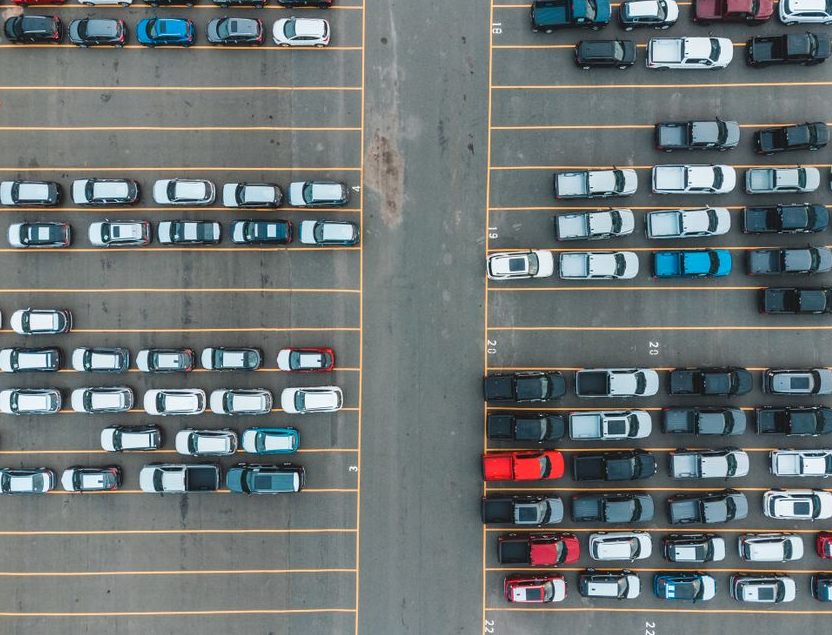
We prefer to inspect a lot after a hard rain to see exactly where water stands and where it runs. We check potholes, cracks, edges, and the transition to the street or curb. A line of potholes usually means water is traveling along a seam. A low corner that stays wet points to grading or drainage issues. We measure the damaged areas and determine if the lot needs targeted repairs or full repaving.
Repair methods and equipment
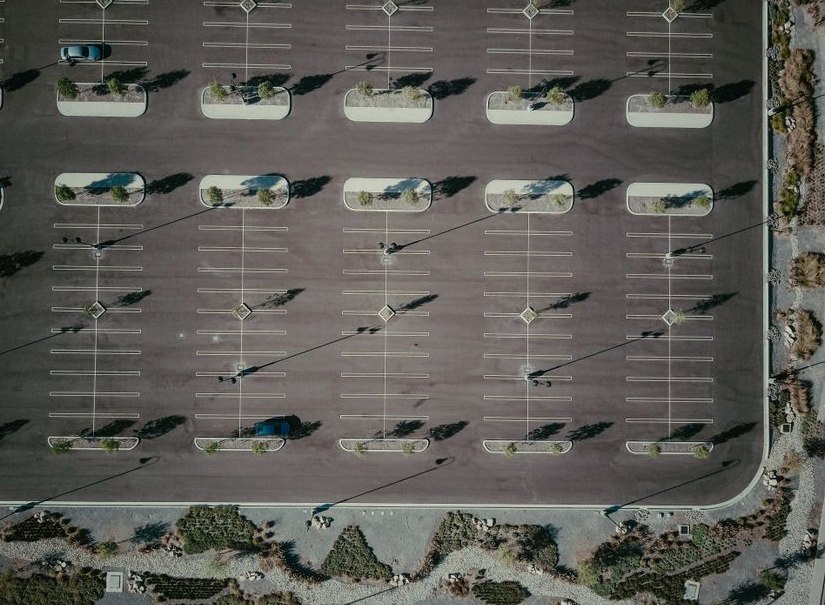
Preparation dictates how long a repair lasts. We clean the surface with mechanical brooming, air, or water before applying the tack coat. You cannot put new material on a dirty or wet surface and expect it to bond. We apply the tack coat uniformly and allow the emulsion to break before placing the hot mix. For seamless tie-ins, we use an infrared asphalt heater to warm the surrounding asphalt, creating a repair meant to withstand heavy trucks and plows.
Repair costs and pricing factors
Pothole repair runs $100 to $400 per pothole. That range covers the work itself and varies based on the size of the hole and the required prep work. Larger parking lot paving and repair projects are quoted after an inspection. The final number depends on the total area, surface condition, water damage, grading requirements, and equipment access. A cheap patch on a bad lot is money spent twice.
Paving vs. targeted repair
Parking lot paving is a full rebuild—new surface over a prepared lot. Repair is targeted work for potholes, cracks, and small failed areas. Most lots only need repairs in specific places, combined with crack filling to keep water out of the seams. The choice between paving and repair comes down to how much of the lot is failing and why. Longevity depends on traffic, water, and drainage. We assess these factors upfront to recommend the exact scope of work required.
See the Work
A representative look at the kind of work this covers.
Getting Started Is Simple
-
Call or Text
Tell us what you're seeing and when it started — you'll get a straight answer, not a sales pitch.
-
On-Site Inspection
A tech inspects the problem in person — no guessing from photos, no drive-by quotes.
-
Clear, Written Quote
You get the scope and the price in writing before any work starts. No surprises.
-
We Do the Work
Our crew does the work, checks it, and leaves the site clean. You see everything we did.
What this typically involves:
- Place the asphalt mixture with a paver at a uniform speed and maintain uniform mat thickness. [S5]
- Begin breakdown rolling close behind the paver while the mat is hot, then perform intermediate compaction and finish rolling. [S3][S5]
What It Typically Costs
Typical ranges, not a fixed price - the exact number is confirmed in writing before work starts.
$3–$7
Related Services
Areas We Serve
Based in Dalton, GA. Call (762) 219-8412 to confirm coverage for your address.
Why Dalton Homeowners Call
- Free EstimatesYou pay for work, never for the quote.
- Straight answers, no sales pitchYou'll hear what we'd do and why — the decision stays yours.
Need help today? Call (762) 219-8412.