What the mill takes off
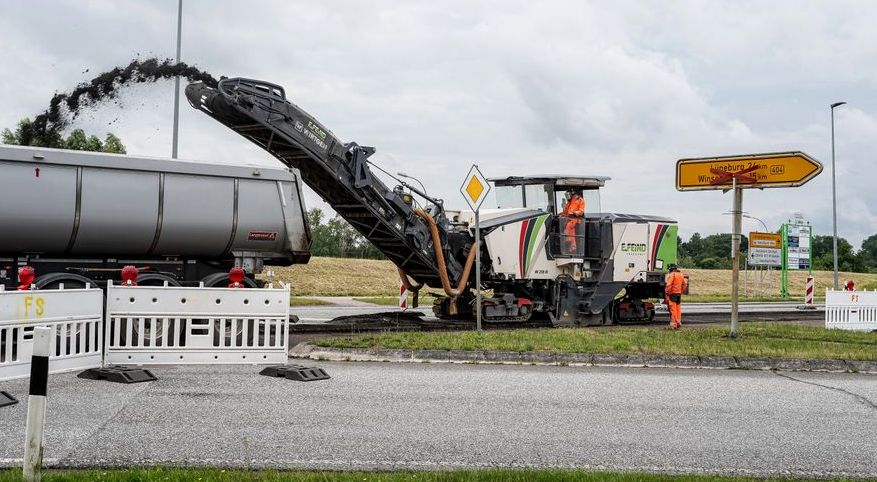
We remove the top layer of asphalt that has quit doing its job. Milling gives us a clean, textured surface to build on without disturbing the load-bearing base. Dalton gets occasional winter freezes, and that freeze-thaw movement can open seams and make a surface defect read deeper than it looks. Milling lets us take the failed material out instead of stacking new asphalt on top of it. If you pave over a surface that is already moving, the new mat inherits the same problem.
Signs the surface is failing
When wheel paths rut or cracks connect into a web, the top layer is failing across a wide area. Patching one spot at a time becomes a monthly bill with no end. You will also see uneven transitions at driveway aprons, drain inlets, or seams where an addition meets the original lot. If the lot is failing in sheets, the repair has to match the scale.
Deciding the depth and limits
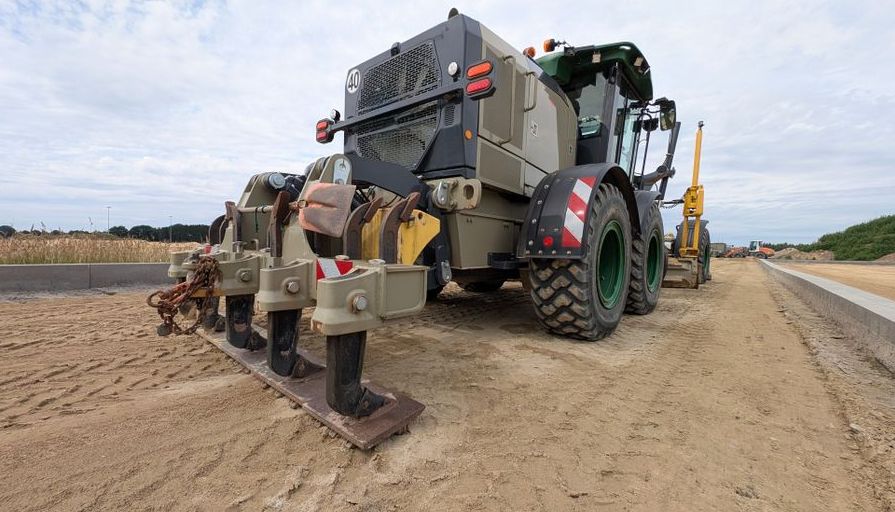
We check how thick the existing asphalt is, where the failures start and stop, and what is happening at the edges. The depth of the cut comes from what we find—sometimes it is a light pass, sometimes we need to remove more to reach solid material. Milling does not create structure where there isn't any. If the base is pumping or the subgrade is moving, the repair needs to go deeper than the surface. If the base is good and the top has just worn out, milling buys another long stretch of service without tearing out the whole lot.
Tack coat, hot-mix, and the paver run
Once the milled surface is cleaned, we apply a tack coat. This is the bonding layer between the old asphalt and the new. If applied unevenly, the new mat can slide or delaminate. Then the hot-mix asphalt goes down. We load and deliver the asphalt mix in a way that limits segregation and maintains suitable mix temperature so the material arrives workable. We keep the paver moving at a steady speed with a constant head of material and a correctly set screed to produce a uniform mat. Stop and start, or let the head drop, and you will see it in the surface.
Pricing and variables
The price of milling depends on square footage, cut depth, base repair requirements, hot-mix tonnage, access, and traffic control. If cracks outside the milled area are part of the repair, asphalt crack filling runs $1 to $3 per linear foot. A small, open lot with a sound base is a different project than a tight, phased lot with a failing subgrade.
See the Work
A representative look at the kind of work this covers.

Getting Started Is Simple
-
Call or Text
Tell us what you're seeing and when it started — you'll get a straight answer, not a sales pitch.
-
On-Site Inspection
A tech inspects the problem in person — no guessing from photos, no drive-by quotes.
-
Clear, Written Quote
You get the scope and the price in writing before any work starts. No surprises.
-
We Do the Work
Our crew does the work, checks it, and leaves the site clean. You see everything we did.
What this typically involves:
- Place the asphalt mixture with a paver at a uniform speed and maintain uniform mat thickness. [S5]
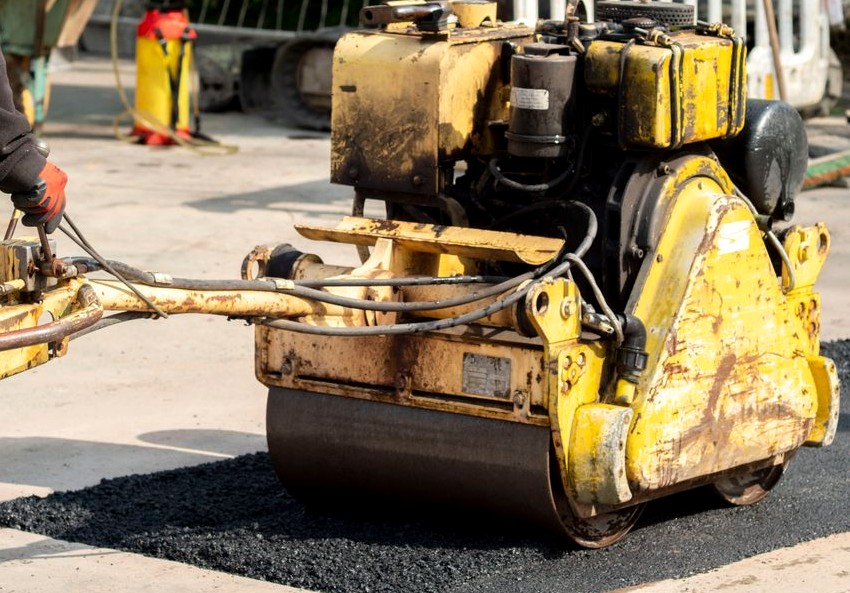
- Begin breakdown rolling close behind the paver while the mat is hot, then perform intermediate compaction and finish rolling. [S3][S5]
What It Typically Costs
Typical ranges, not a fixed price - the exact number is confirmed in writing before work starts.
$3–$7
$100–$400
Related Services
Areas We Serve
Based in Dalton, GA. Call (762) 219-8412 to confirm coverage for your address.
Why Dalton Homeowners Call
- Free EstimatesYou pay for work, never for the quote.
- We show up when we sayA scheduled window means someone actually arrives in it.
Need help today? Call (762) 219-8412.